


Hey there! As a supplier of spraying systems, I've been getting a lot of questions lately about spraying droplet control. So, I thought I'd take a few minutes to break it down for you and explain why it's such a big deal.
Let's start with the basics. What exactly are spraying droplets? Well, when you use a spraying system to distribute a liquid - whether it's water, pesticides, or something else - that liquid is broken up into tiny particles called droplets. The size of these droplets can vary widely, from super - fine mist - like droplets to larger, more substantial ones.
Why does droplet size matter? It turns out, it matters a whole lot. The size of the droplets affects how the liquid is distributed, how it adheres to surfaces, and even how it interacts with the environment. For example, if you're using a spraying system to water plants, smaller droplets can be carried away by the wind more easily, which might lead to uneven watering. On the other hand, larger droplets might not cover as much area, and they could also cause more runoff.
So, what is spraying droplet control? In simple terms, it's the ability to manage the size of the droplets that your spraying system produces. A good spraying system should be able to produce droplets of a consistent size, or at least allow you to adjust the droplet size according to your specific needs.
There are several factors that can influence droplet size. One of the most important is the nozzle. Different types of nozzles are designed to produce different droplet sizes. For instance, the Watering Cart Front Flushing Nozzle is engineered to provide a specific pattern and droplet size that's ideal for certain applications, like cleaning large surfaces or watering large areas. It's designed to break the liquid into droplets of a size that ensures efficient coverage and minimal waste.
Another type of nozzle is the Duckbill Water Nozzle. This nozzle has a unique shape that affects how the liquid is ejected. It can create a wider spray pattern with droplets that are sized to suit applications like dust suppression on construction sites. The shape of the duckbill helps in controlling the spread and the size of the droplets, making it a great choice for specific jobs.
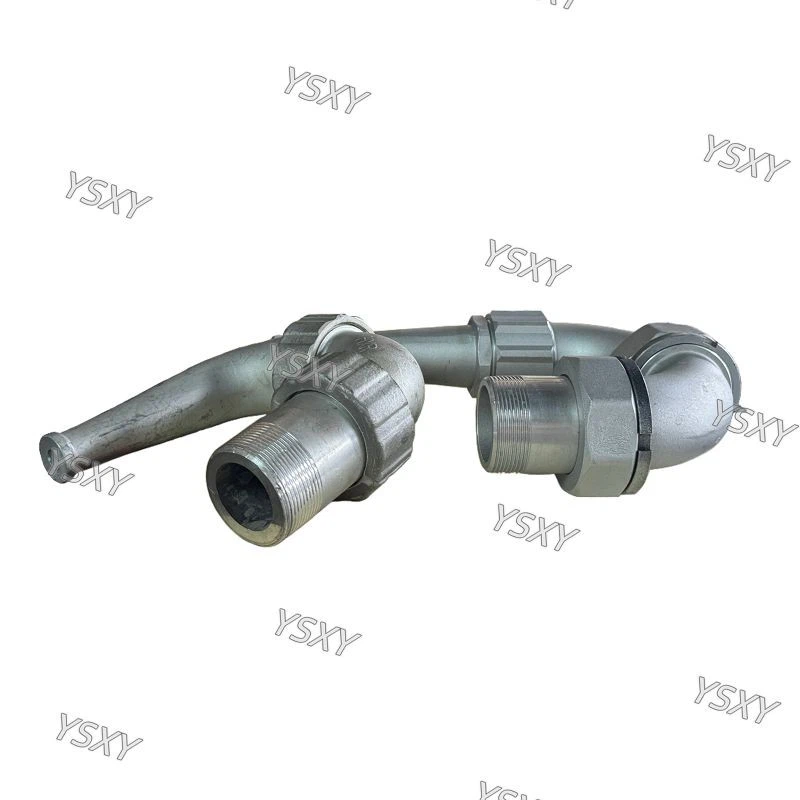
The Watering Cart Three - Bend Nozzle is yet another example. Its design with three bends influences the flow of the liquid and the way it breaks into droplets. This nozzle can be adjusted to produce different droplet sizes, depending on whether you need a fine mist for delicate plants or larger droplets for more heavy - duty watering.
Pressure also plays a huge role in droplet control. Higher pressure generally leads to smaller droplets. When the liquid is forced through the nozzle at a high pressure, it breaks up into tinier particles. Lower pressure, on the other hand, results in larger droplets. So, if you need smaller droplets for a particular task, you can increase the pressure in your spraying system. But be careful - too much pressure can cause other problems, like wear and tear on the system or over - atomization, where the droplets are so small that they evaporate before they reach their target.
The viscosity of the liquid being sprayed is another factor. Thicker liquids are harder to break into small droplets. For example, if you're spraying a thick pesticide solution, you might need a different nozzle or a higher pressure compared to when you're spraying water. The chemical properties of the liquid can also affect how it forms droplets. Some liquids might have additives that change their surface tension, which in turn impacts droplet size.
The environmental conditions can't be ignored either. Wind speed and direction can have a significant impact on the behavior of the droplets. A strong wind can blow the droplets off - course, especially if they're small. Humidity can also affect the droplets. In dry conditions, small droplets might evaporate quickly, while in humid conditions, they might clump together.
Now, let's talk about why spraying droplet control is so important for you as a user. If you're in the agricultural industry, proper droplet control can mean the difference between a successful crop and a failed one. When you're spraying pesticides or fertilizers, you want the droplets to reach the plants evenly and stick to the leaves. If the droplets are too large, they might bounce off the leaves and end up on the ground, where they're wasted. If they're too small, they might be carried away by the wind and not reach the target at all.

For construction sites, dust suppression is a major concern. Using a spraying system with good droplet control can help in effectively suppressing dust. The right - sized droplets can capture the dust particles in the air and bring them to the ground, reducing the amount of dust pollution and creating a safer working environment.
In the cleaning industry, whether it's cleaning large buildings or vehicles, spraying droplet control ensures that the cleaning solution is applied evenly and efficiently. This can save time and money by reducing the amount of solution needed and the number of passes required to clean a surface.
As a spraying system supplier, we understand the importance of providing you with products that offer excellent spraying droplet control. We've spent a lot of time researching and developing our nozzles and spraying systems to ensure that they can meet your specific requirements. We offer a range of products that can be customized to produce the droplet size that's best for your application.
If you're interested in learning more about our spraying systems and how they can help you with your spraying droplet control needs, we'd love to hear from you. Whether you're a farmer looking to improve your crop spraying, a construction site manager in need of dust suppression, or a cleaning professional seeking more efficient cleaning solutions, we have the expertise and the products to assist you. Just reach out to us, and we can have a detailed discussion about your specific situation and find the perfect spraying system for you.
References
- Agricultural Spraying Technology Manual
- Construction Site Dust Control Guidelines
- Cleaning Industry Best Practices Handbook


